
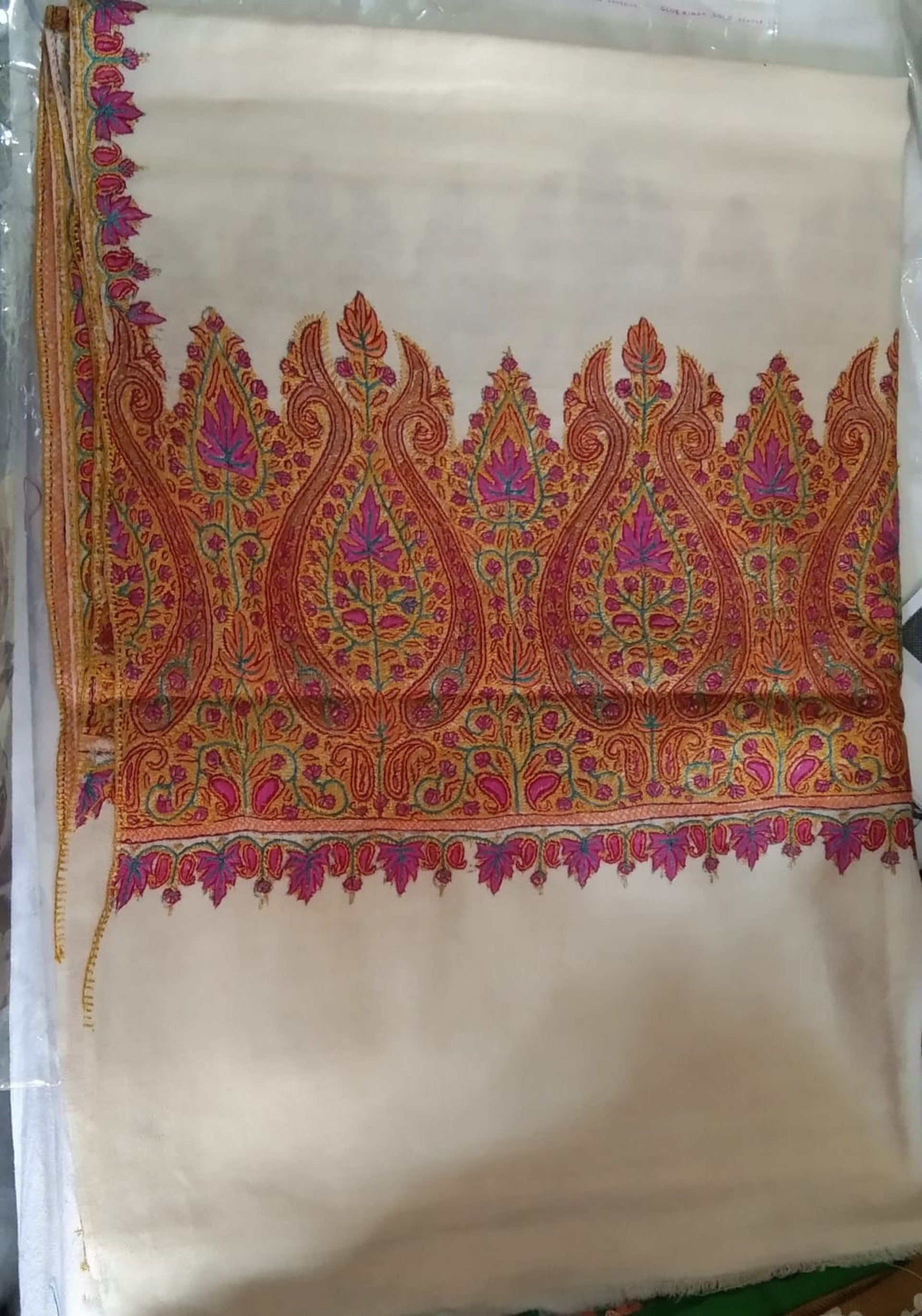
🧣 How to Check an Authentic Pashmina Shawl: A Complete Guide
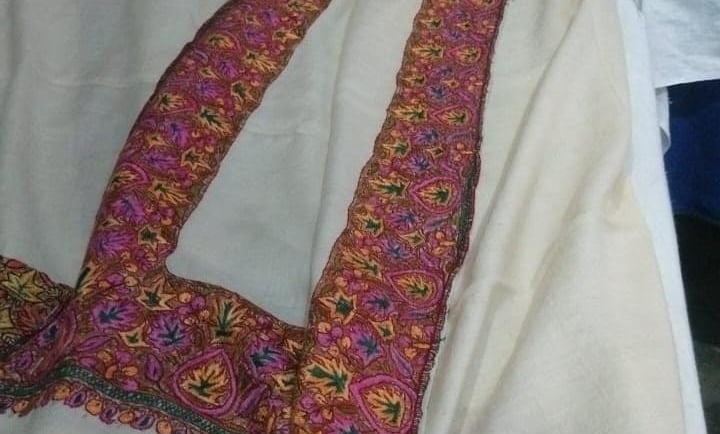
Pashmina shawls are the epitome of elegance, warmth, and heritage. Originating from the breath taking valleys of Kashmir, these shawls are handwoven from the fine wool of the Himalayan Changthangi goat. But with the growing popularity of Pashmina, fake and machine-made imitations have flooded the market — making it essential to know how to identify an authentic piece.
In this blog, we’ll walk you through how to check if your Pashmina shawl is genuine, so you can invest in timeless craftsmanship with confidence.
🌿 1. Check the Texture
An original Pashmina shawl feels buttery soft, lightweight, and warm.
When you touch it, it should glide through your fingers smoothly.
Fake versions often feel either too silky (like viscose or polyester) or too rough (like ordinary wool).
Real Pashmina is made from handspun yarns, so you might notice minor irregularities — a sign of authenticity.
Tip: Rub the shawl gently on your cheek — genuine Pashmina feels warm and soft instantly.
🔍 2. Perform the Weave Test
True Pashmina is handwoven on traditional wooden looms.
The weave is slightly uneven or imperfect, unlike machine-made shawls that appear too uniform.
Hold the shawl against light — you may see tiny variations or slubs (thicker threads). These are proof of handwork, not defects.
🔥 3. The Burn Test (Only if Allowed)
If you have a small thread from the edge (not recommended for valuable pieces), you can test it carefully:
Burn the thread — real Pashmina smells like burnt hair or feathers (since it’s animal fiber).
Synthetic fibers, on the other hand, smell like burnt plastic and form hard beads.
⚠️ Note: This test should only be done on loose threads, never on the shawl itself.
💧 4. The Water Test
Drop a small bead of water on the shawl. Genuine Pashmina absorbs water slowly, while synthetic fibers repel it.
This test works because real wool is breathable and naturally absorbent.
🧵 7. Examine the Embroidery
If your Pashmina features Kashmiri embroidery (like Tilla or Sozni), check for the craftsmanship:
Authentic hand embroidery will show uneven back stitches and delicate threadwork.
Machine embroidery looks too neat, dense, or glossy.
💎 8. Buy from Trusted Sources
To avoid imitations, always shop from reputed brands or certified Kashmiri artisans.
Brands like HAEMBY ensure that each shawl is handcrafted, ethically sourced.
✨ Final Thoughts
A real Pashmina shawl is more than just a garment — it’s a legacy of Kashmiri artistry passed down through generations.
By learning to identify authentic Pashmina, you protect both your investment and the artisans who keep this tradition alive.
Before you buy, feel the softness, inspect the weave, and check for the GI tag — because true luxury lies in authenticity.
Connect
Unique embroidered apparel crafted with care
Support
+919086110221
© 2025. All rights reserved.
GSTIN 01DCGPS8608D1ZQ
IEC Code 1814000071