Kashmiri Culture: The Iconic Pheran Explained
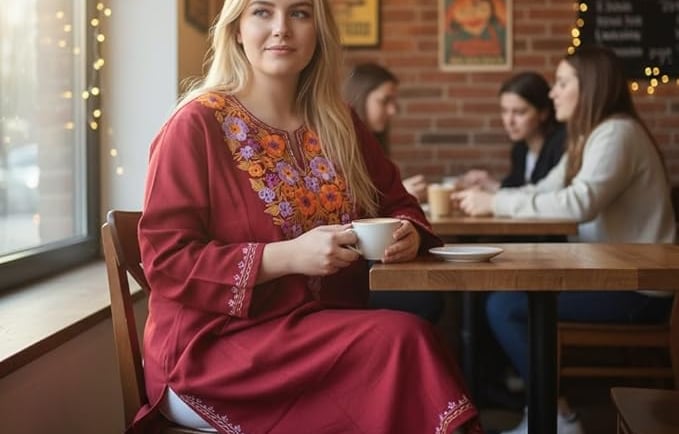
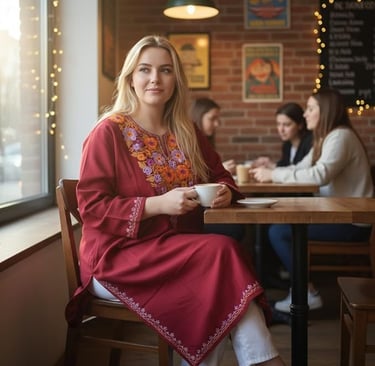
Origins of the Kashmiri Pheran: Infographic-Style Breakdown
The Kashmiri Pheran (also spelled Phearn or Phiran) is one of the oldest and most iconic garments of the Himalayan region. Its history is woven with culture, climate, and centuries of cross-civilization influence. Below is an infographic-style, easy-to-read breakdown for your blog.
1. Ancient Himalayan Roots
The earliest form of the Pheran dates back to ancient Kashmir, long before written records.
Early inhabitants wore loose, robe-like garments to survive the harsh winters.
Inspired by Buddhist and Central Asian draped clothing.
The shape was simple: long, warm, and modest — perfect for mountain life.
2. Persian Influence: Birth of the Word “Pheran”
The word “Pheran” is widely believed to come from the Persian term “Perahan”, meaning robe.
From the 14th century onward, Kashmir saw a cultural wave from:
Persian scholars
Sufi saints
Traders
With them came new dressing styles, long gowns, embroidery patterns, and refined silhouettes.
This period shaped the Pheran into the classic robe-like garment we recognize today.
3. Sultanate & Mughal Era Transformation
During the Kashmir Sultanate and the Mughal Empire, the Pheran evolved further.
The Mughals introduced:
Rich fabrics like velvet and pashmina
Elaborate embroideries (Aari, Sozni, Tilla)
Longer, heavier winter versions
The Pheran became both:
a royal garment, and
a common person’s daily winter wear
This dual identity made the Pheran timeless.
4. Designed for Kashmir’s Harsh Climate
Kashmir’s freezing winters demanded a functional garment.
The Pheran offers:
A loose fit that traps warm air
Room for the Kangri (a hot coal firepot kept inside)
Coverage from shoulder to knee or ankle
Its practicality ensured it remained essential for centuries.
5. Cultural Identity & Daily Life
The Pheran transcended fashion — it became a cultural symbol.
Worn by men, women, and children across all communities.
Used in:
Festivals
Daily life
Wedding traditions
Winters and even light summers (cotton variants)
Each region of Kashmir developed its own embroidery style, making every Pheran unique.
6. How the Modern Pheran Emerged
In the 20th and 21st centuries:
Designers modernized the Pheran with new cuts and colors.
Cotton, wool, velvet, and blends made it an all-season outfit.
It entered global fashion through influencers and Kashmiri diaspora.
Today, the Pheran is celebrated as heritage fashion — traditional yet contemporary.
Connect
Unique embroidered apparel crafted with care
Support
+919086110221
© 2025. All rights reserved.
GSTIN 01DCGPS8608D1ZQ
IEC Code 1814000071